Tendon adhesion release is a surgical procedure performed to restore smooth gliding motion of a tendon that has become restricted due to the formation of scar tissue or adhesions. Tendons are fibrous tissues that connect muscles to bones and play a vital role in enabling movement of joints, particularly in the hand, wrist, and fingers where fine, coordinated actions are essential. When tendons are injured, repaired, or exposed to trauma, scar tissue may form around them. While scar formation is a natural part of healing, excessive or abnormal adhesions can tether the tendon to surrounding tissues, limiting its ability to glide freely. This results in stiffness, weakness, and loss of functional motion.
Tendon adhesion release, also known as tenolysis, aims to carefully free the tendon from these restrictive adhesions, allowing it to move more normally. The surgery is typically considered when non-surgical treatments such as physiotherapy, splinting, or occupational therapy have failed to improve motion after a sufficient period of rehabilitation.
Adhesions can occur due to a variety of reasons, most commonly after:
Tendon repair surgery: Following repair of flexor or extensor tendon injuries, scar tissue may form around the repaired site.
Fractures or trauma: Injuries involving bones and soft tissues can lead to scarring around tendons.
Prolonged immobilization: Lack of early movement after injury or surgery increases the risk of adhesion formation.
Infections: Severe infections of the hand or wrist may leave behind scar tissue that interferes with tendon motion.
Patients with tendon adhesions often experience:
Stiffness and limited movement of the affected finger, thumb, or wrist.
Inability to fully bend or straighten the finger despite intact tendon repair.
A sensation of tightness or resistance during movement.
Reduced grip strength and difficulty performing daily activities such as writing, buttoning clothes, or grasping objects.
A thorough clinical evaluation is required before planning tendon adhesion release. Doctors examine the range of motion, tendon continuity, and joint stiffness. It is important to differentiate between joint contracture (stiffness of the joint capsule) and true tendon adhesion, as the management differs. Imaging tests such as ultrasound or MRI may sometimes be used, though diagnosis is largely clinical.
Tendon adhesion release is performed under regional or general anesthesia, depending on the extent of surgery and patient preference.
Incision: A precise incision is made over the affected tendon, often following previous surgical scars to minimize additional scarring.
Exposure of tendon: The surgeon carefully exposes the tendon and surrounding structures.
Release of adhesions: Using delicate instruments, the surgeon frees the tendon from scar tissue, ensuring that it can glide smoothly without restriction. Care is taken to preserve vital structures such as nerves, blood vessels, and the tendon sheath.
Intraoperative testing: The tendon’s movement is checked during surgery, sometimes by asking the patient to actively move the finger under regional anesthesia.
Closure: Once satisfactory motion is restored, the wound is closed, and appropriate dressings are applied.
In some cases, if the tendon is found to be severely damaged or ruptured, additional procedures such as tendon grafting or staged reconstruction may be necessary.
Rehabilitation is an essential part of recovery after tendon adhesion release. Without proper therapy, adhesions can reform and limit the benefits of surgery. Key aspects include:
Early mobilization: Controlled, guided movement begins soon after surgery under the supervision of a hand therapist.
Splinting: Specialized splints may be used to protect the tendon while encouraging specific ranges of motion.
Therapy exercises: Regular hand therapy, including active and passive exercises, helps maintain motion and prevent re-adhesion.
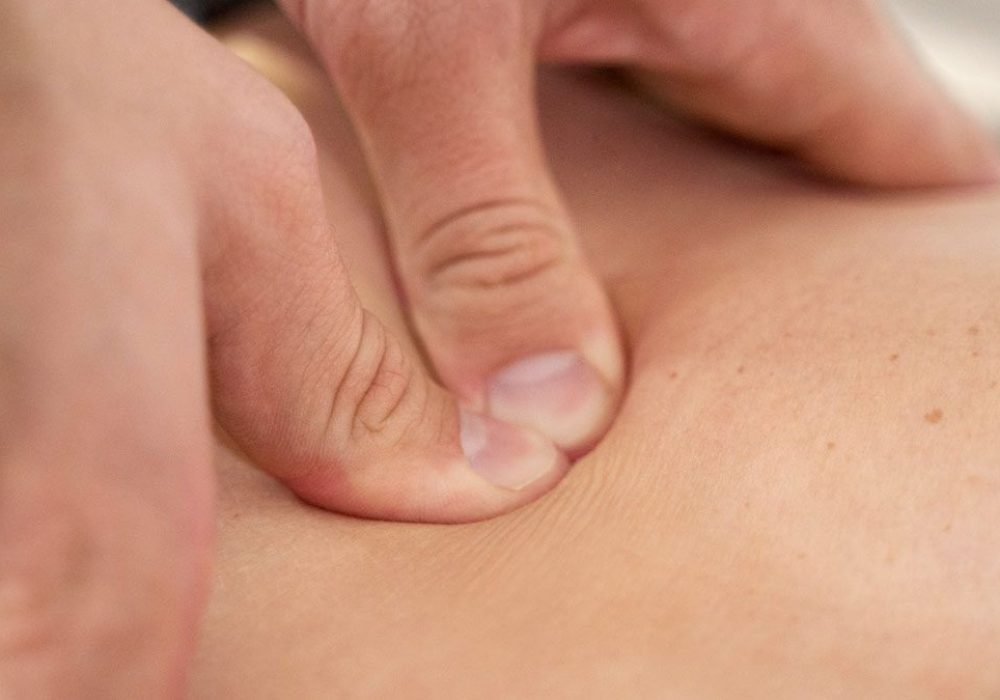
Scar management: Techniques such as massage, silicone gel, or ultrasound therapy may be used to minimize scar formation.
Like all surgeries, tendon adhesion release carries certain risks. These include:
Recurrence of adhesions despite surgery.
Weakness of the tendon due to previous scarring or thinning.
Tendon rupture during or after surgery.
Infection, bleeding, or wound healing problems.
Stiffness or incomplete restoration of movement.
The results of tendon adhesion release can be highly rewarding, especially when performed in carefully selected patients and combined with dedicated rehabilitation. Many individuals regain significant improvement in motion and hand function, though complete restoration may not always be possible. Outcomes depend on factors such as the severity of adhesions, quality of the tendon, duration of stiffness before surgery, and patient commitment to postoperative therapy.
Tendon adhesion release (tenolysis) is a specialized procedure designed to restore tendon gliding and improve hand function when adhesions limit motion. While surgery can significantly enhance mobility, the ultimate success depends equally on surgical expertise and patient participation in postoperative rehabilitation. Early recognition of adhesions, timely intervention, and structured therapy together provide the best chance for patients to regain useful, pain-free hand movements and return to daily activities.
Chat With Me